
Ben van Buiten: Butterflies in the Greenery
Giant Wasps, Itchy Caterpillars, and Common Sense
Ben van Buiten walks around outside, takes in what he comes across, and forms his own opinions about it. Sometimes big, sometimes small, often just enough to make him pause for a moment.
Summer is wonderful. A snack, a drink in the garden—until suddenly a low, menacing buzz drifts over the table. You look up. A drone? A bumblebee? Or one of those yellow-striped critters that clearly didn’t get an invitation? For the past few years, summer has gained two new “summer stars”: the hornet and the oak processionary caterpillar.
The hornet sounds like a poorly chosen superhero, but in reality it’s just an impressively large wasp with a bad reputation. We’re keeping a close eye on the yellow-legged variety in particular, because it affects other insects like bees. Still, hornets aren’t troublemakers. You really have to try hard to make them grumpy. And unlike some patio-goers, they have no interest in spare ribs or rosé.
Second Summer Star
Our second summer star is the oak processionary caterpillar. It’s the kind of creature you usually don’t see, but you can definitely feel it. Its stinging hairs are notorious: they cause itching, red bumps, and sometimes irritation to the eyes or respiratory tract. Not exactly the kind of souvenir you want to bring home from an evening walk.
Men in white suits
We keep a close eye on areas where the caterpillar is found, but not every nest requires a rescue operation involving men in white suits. In busy areas, we intervene when necessary. In nature reserves, we sometimes let nature take its course. That’s also part of biodiversity.
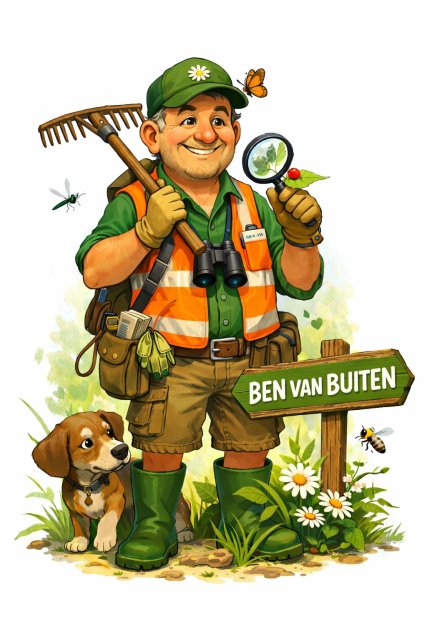
Don't do that!
The same advice applies to both of these summer stars: don’t try to play pest control yourself. No matter how tempting it may be to get to work with a rake, vacuum cleaner, or a creative DIY solution, be sure to leave it to the professionals.
Do you see anything unusual?
Report it via the BuitenBeter app, preferably with a clear photo. That way, we can assess whether action is needed. Those reports are invaluable. They help us determine more quickly where we need to intervene and where we can let nature take its course.
The outdoors doesn’t follow a schedule. This means new situations arise every day in public spaces. If you see something that doesn’t look right, you can easily report it using the BuitenBeter app. That way, we can all help keep things in order outdoors.