
Ben van Buiten: Grasaar is on edge
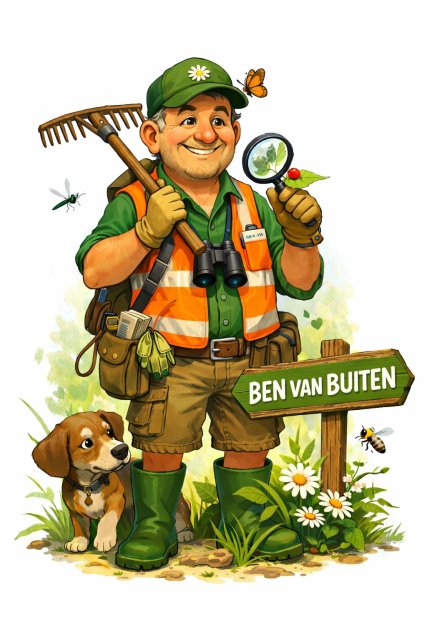
Ben van Buiten walks around outside, takes in what he comes across, and forms his own opinions about it. Sometimes big, sometimes small, often just enough to make him pause for a moment.
Summer has its own hidden agenda. While most people think of ice cream, barbecues, and long evenings outdoors, something quite different is on the rise in the greenery: grass seeds. If you pay close attention during a walk, you’ll see them everywhere: along sidewalks, on roadsides, and in small fields. Dry, sharp, and surprisingly determined to cling to anything. They seem harmless, but they can cause serious trouble—especially for dogs. And by “trouble,” I mean, in municipal terms: vet visits that no one had planned for during summer vacation.
The Unnoticed Traveler
Grass seeds are masters of traveling unnoticed. They latch onto the fur, disappear between the toes, or decide that a dog’s ear is a perfect final destination. Then their silent mission begins: working their way deeper and deeper into the body. The dog often notices it before the owner does. Scratching, licking, shaking, suddenly limping—it’s all part of the warning system that nature provides for free.
The Five-Second Rule
And that naturally leads to the question for the municipality: can’t we just get rid of that grass? The short answer: No! Of course, we mow road shoulders, parks, and lawns according to a strict maintenance plan. Busy walking trails, playgrounds, and high-risk areas receive extra attention. Around trees, we deliberately leave the grass a bit longer, because not mowing there is often better for the soil and biodiversity.
Weeds are a staple of the Dutch summer. They grow quickly, spread easily, and are sometimes back on their feet before the mower has even returned. As a result, there’s no such thing as a completely weed-free public space—just as there’s no such thing as a mosquito-free barbecue evening or a sidewalk free of weeds after a week of rain.
My advice
That means, too, that prevention isn’t just the municipality’s responsibility. My advice is as simple as it is unspectacular: look! Paws. Ears. Fur. Done. After all, the grass seed doesn’t win through strength, but through timing. And by people who think: oh, it’ll be fine. Ben van Buiten concludes with an observation that doesn’t fit into any policy document, but is nonetheless true: summer isn’t just about freedom and being outdoors. It’s also the season when a tiny blade of grass shows us that not everything can be solved with an extra mowing. Sometimes, using public spaces wisely simply starts with knowing what’s growing there.
The outdoors doesn’t follow a schedule. This means new situations arise every day in public spaces. If you see something that doesn’t look right, you can easily report it using the BuitenBeter app. That way, we can all help keep things in order outdoors.